Agriculture & Food Systems
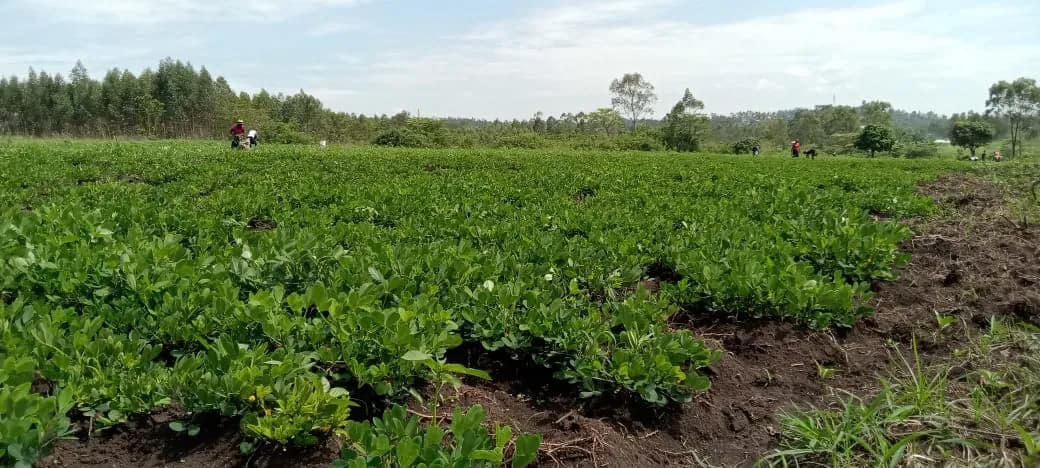
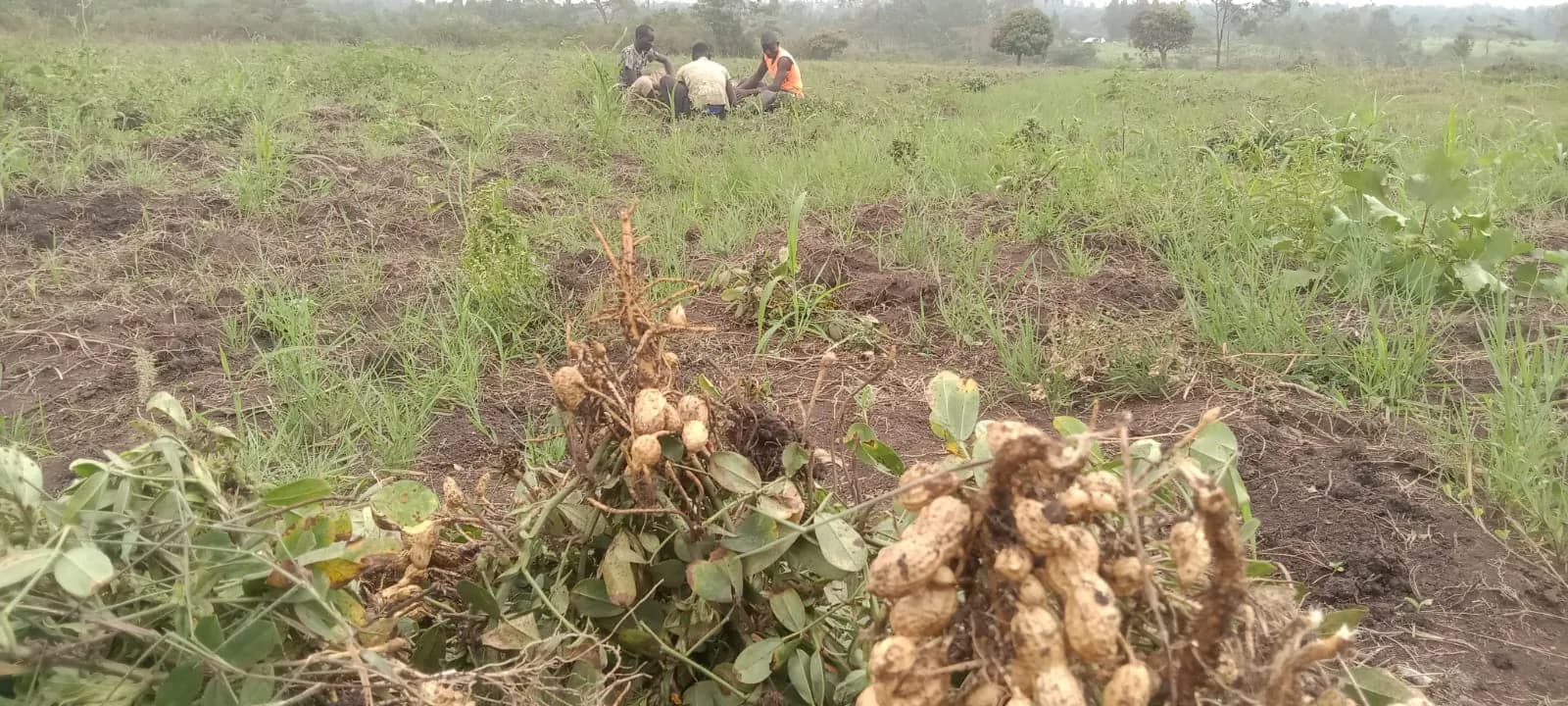
This is the field where YOCED's work is most visible. Land preparation, planting, weeding, harvest, drying, sorting and value addition — groundnuts, maize, horticulture and poultry — run as commercial operations that young people can actually earn from.
Farming treated as a business, from land preparation to the jar on the shelf.
Youth · Farmers · Agriculture partners · Buyers & processors · Funders
Land, Food & Climate
SDG 1 · SDG 2 · SDG 8 · SDG 12
What this field is actually up against.
Agriculture is the sector most available to rural young people and the one they are least likely to choose, because it is presented to them as subsistence rather than as enterprise. The reputational problem is real, and it is mostly a consequence of how the work has been organised.
The economics change at two points: mechanisation, which decides how much land one operation can work, and value addition, which decides what the harvest is worth once it leaves the field. Smallholders are usually cut off from both.
How YOCED works here.
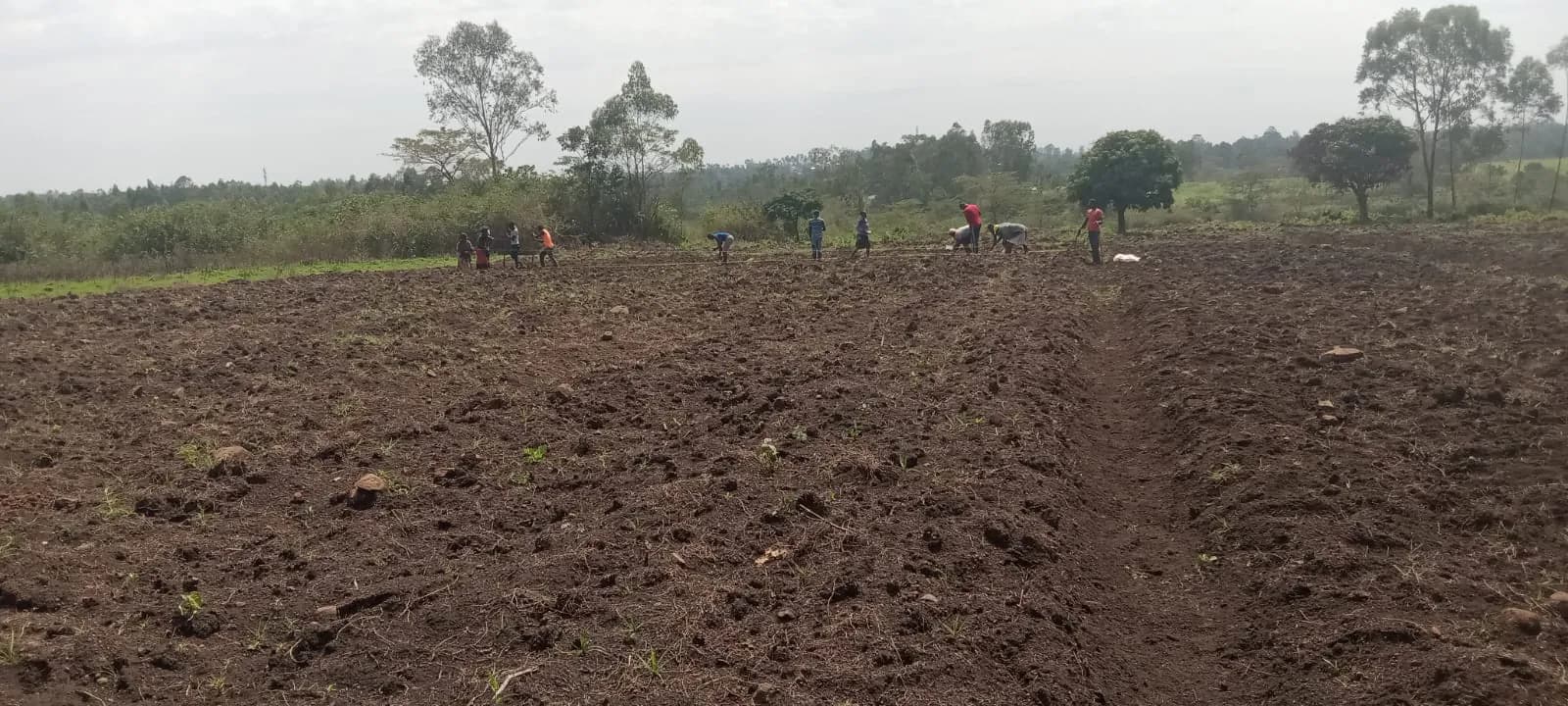
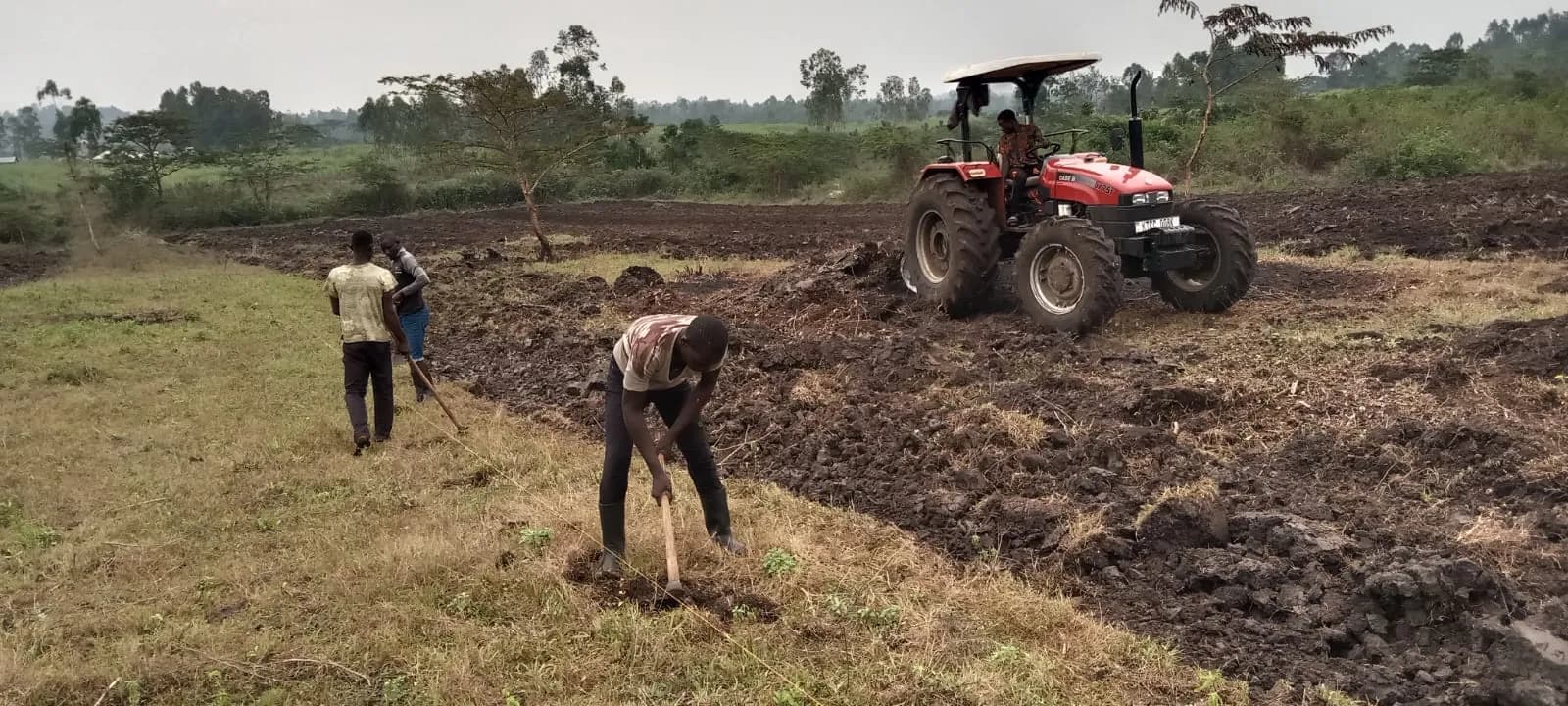
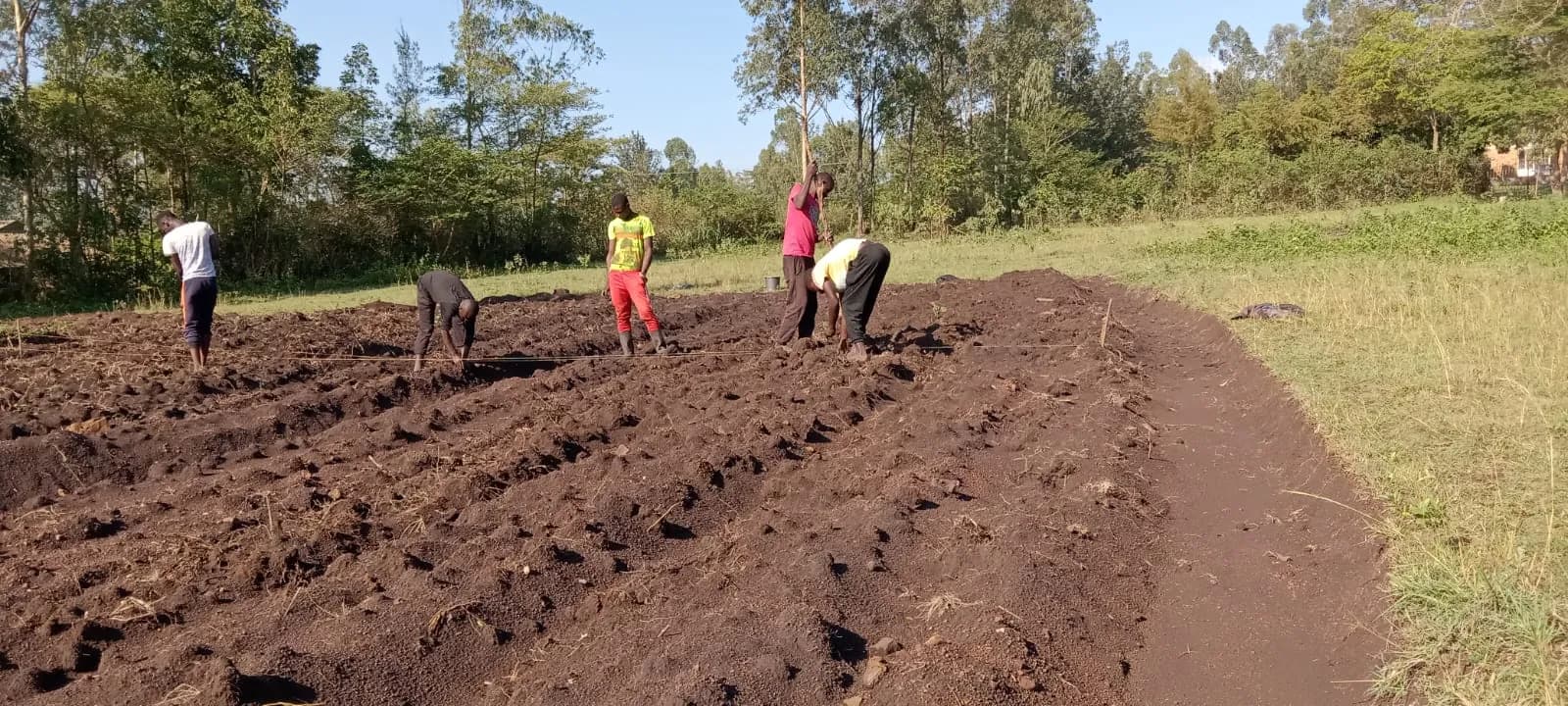
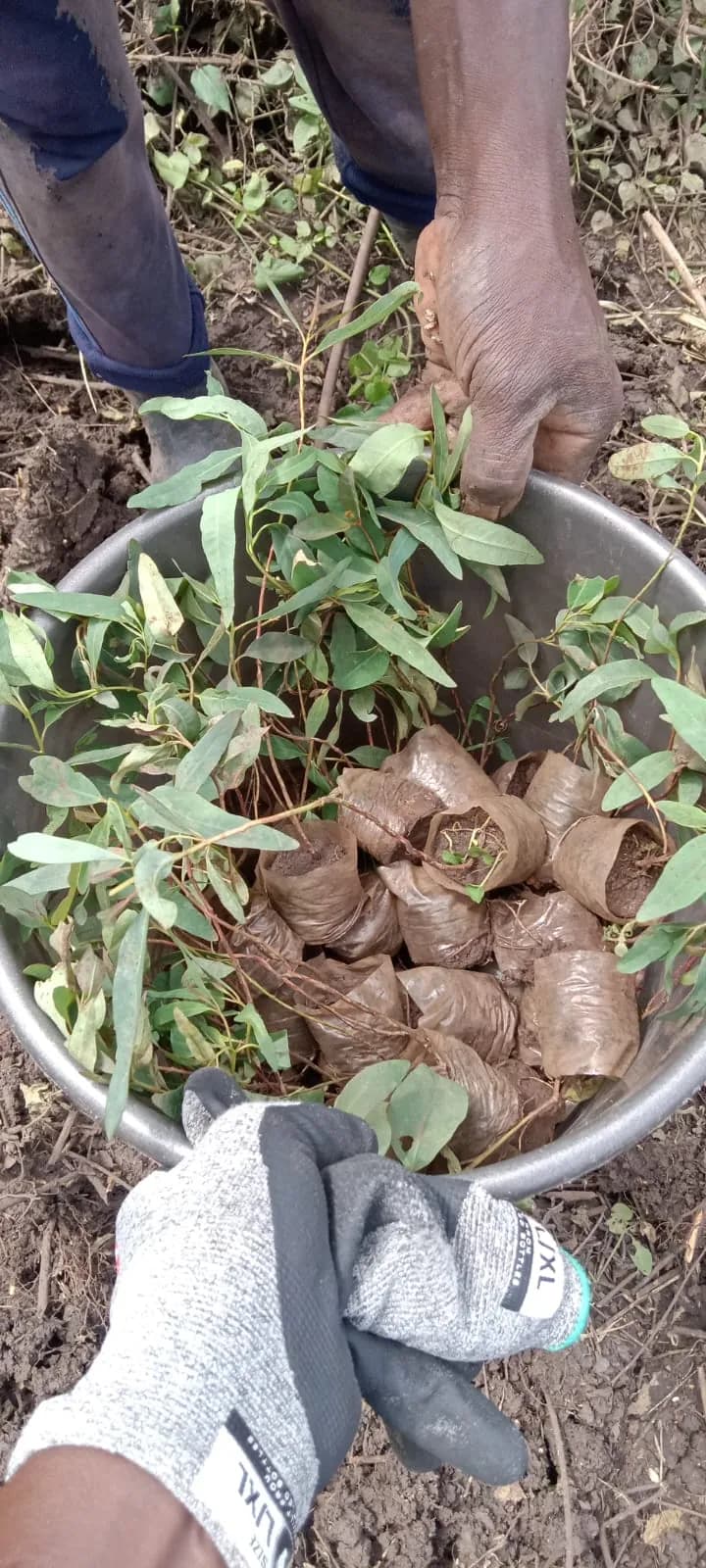
YOCED runs agriculture as a production business. Land is opened mechanically where that makes sense and by hand where it does not. Planting, weeding and harvest are coordinated as scheduled work with crews attached to them.
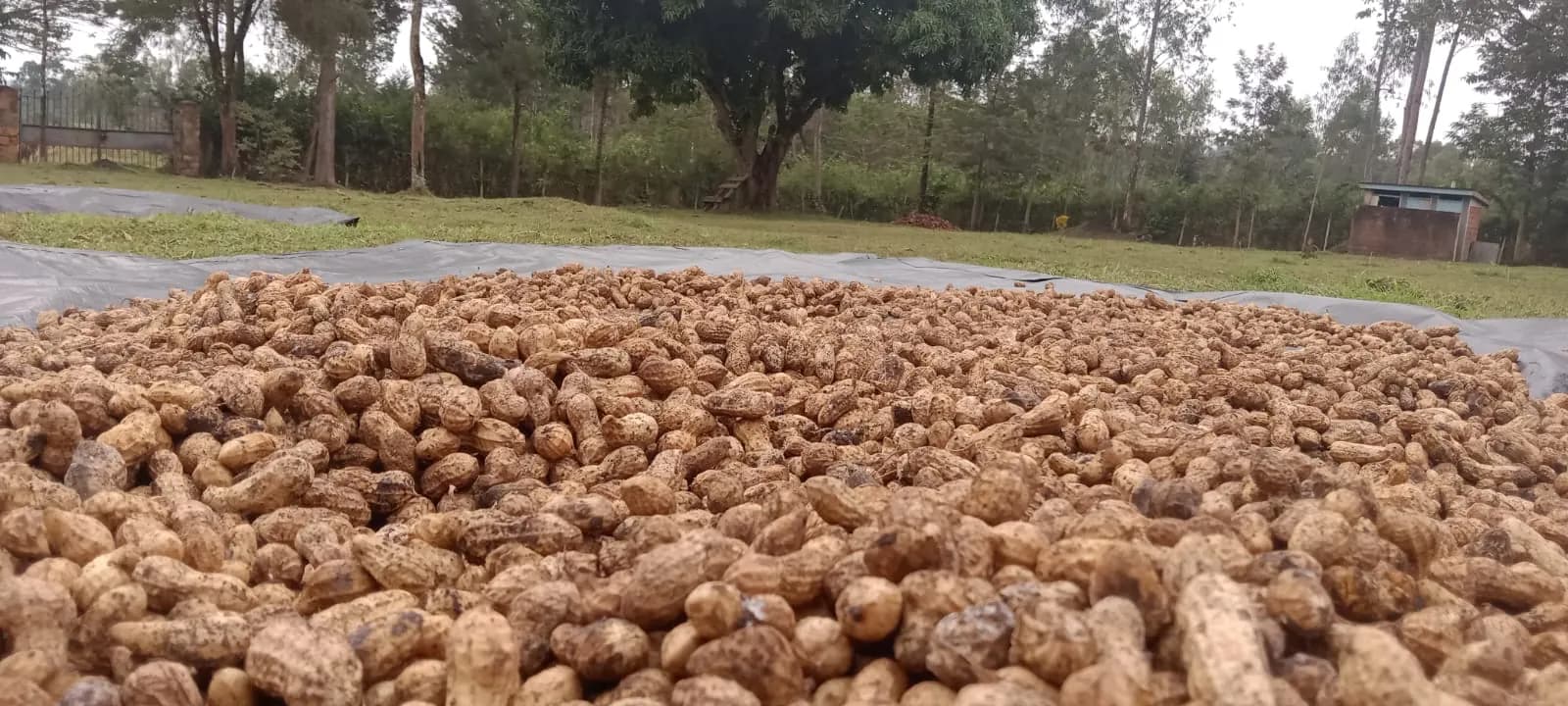
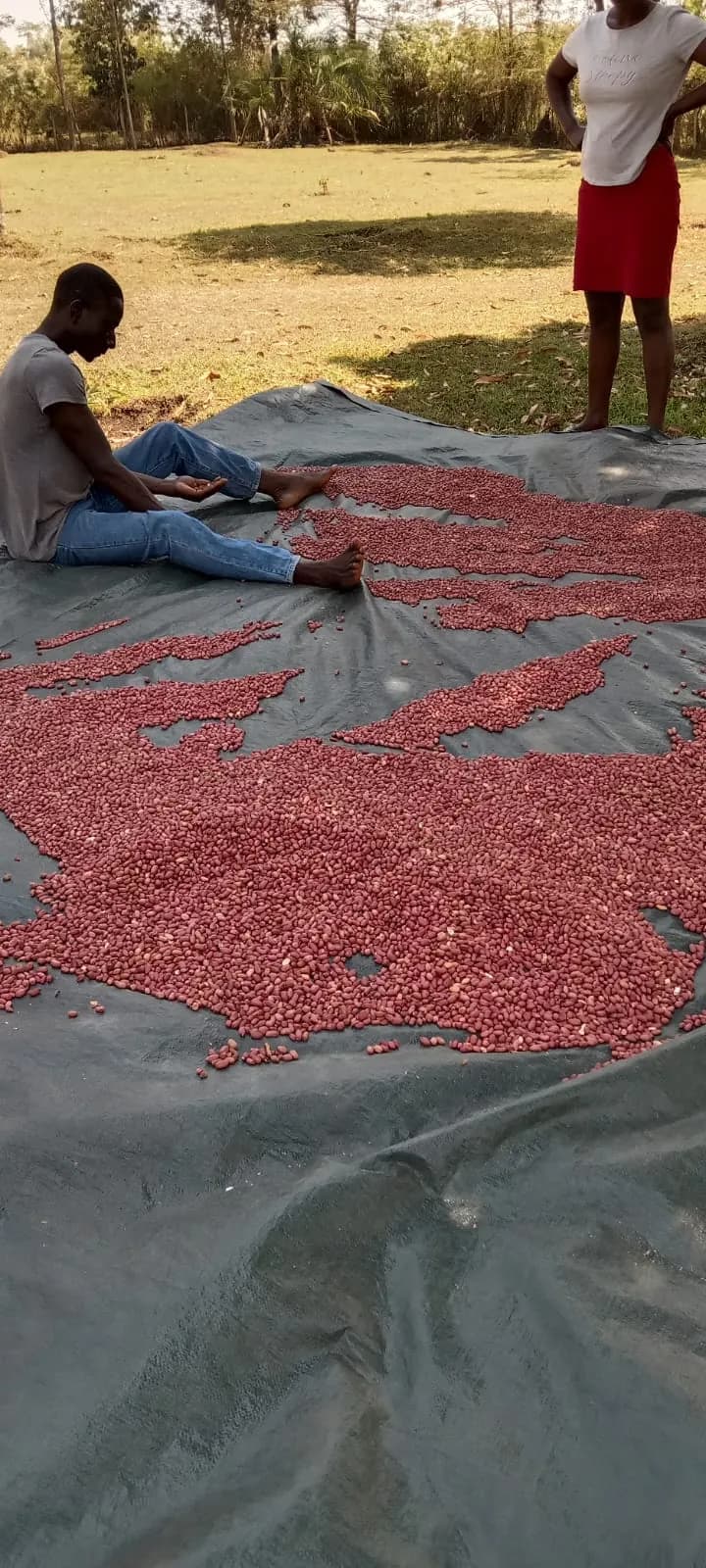
Post-harvest handling gets the same attention as growing — drying, sorting and storage are where quality and price are won or lost. Value addition is the point of the exercise: groundnuts turned into packaged peanut butter earn a different living from groundnuts sold in sacks.
Horticulture and poultry run alongside the main crops as shorter-cycle enterprises, which matters when someone needs income before the season closes.
What happens in practice.
- 01Land preparation and mechanisationOpening land with tractors and implements, with hand preparation on the edges and headlands.
- 02Planting and crop managementCoordinated planting, weeding and crop management across groundnuts, maize and vegetables.
- 03Harvest and post-harvest handlingLifting, threshing, drying and sorting — the stage that decides quality and price.
- 04Value additionProcessing produce into packaged goods, so the margin stays closer to where the crop was grown.
- 05HorticultureKale, capsicum, tomatoes and other short-cycle crops grown for both household use and local sale.
- 06PoultryBrooding and production cycles run as a defined enterprise with feed, housing and schedule planned in.
The specific areas within it.
- ·Groundnuts and value additionThe most developed line of work — production, drying, sorting and processing into packaged peanut butter.
- ·Maize and staple cropsMechanised land preparation and coordinated planting on staple crops.
- ·HorticultureKale, capsicum and tomatoes as short-cycle enterprises alongside the main season.
- ·PoultryBrooding and production cycles as a defined small enterprise.
Who this field reaches.
- Young people in rural and peri-urban areas
- Smallholder farmers and farming groups
- Households running kitchen gardens as a first income
- Producer groups moving toward processing
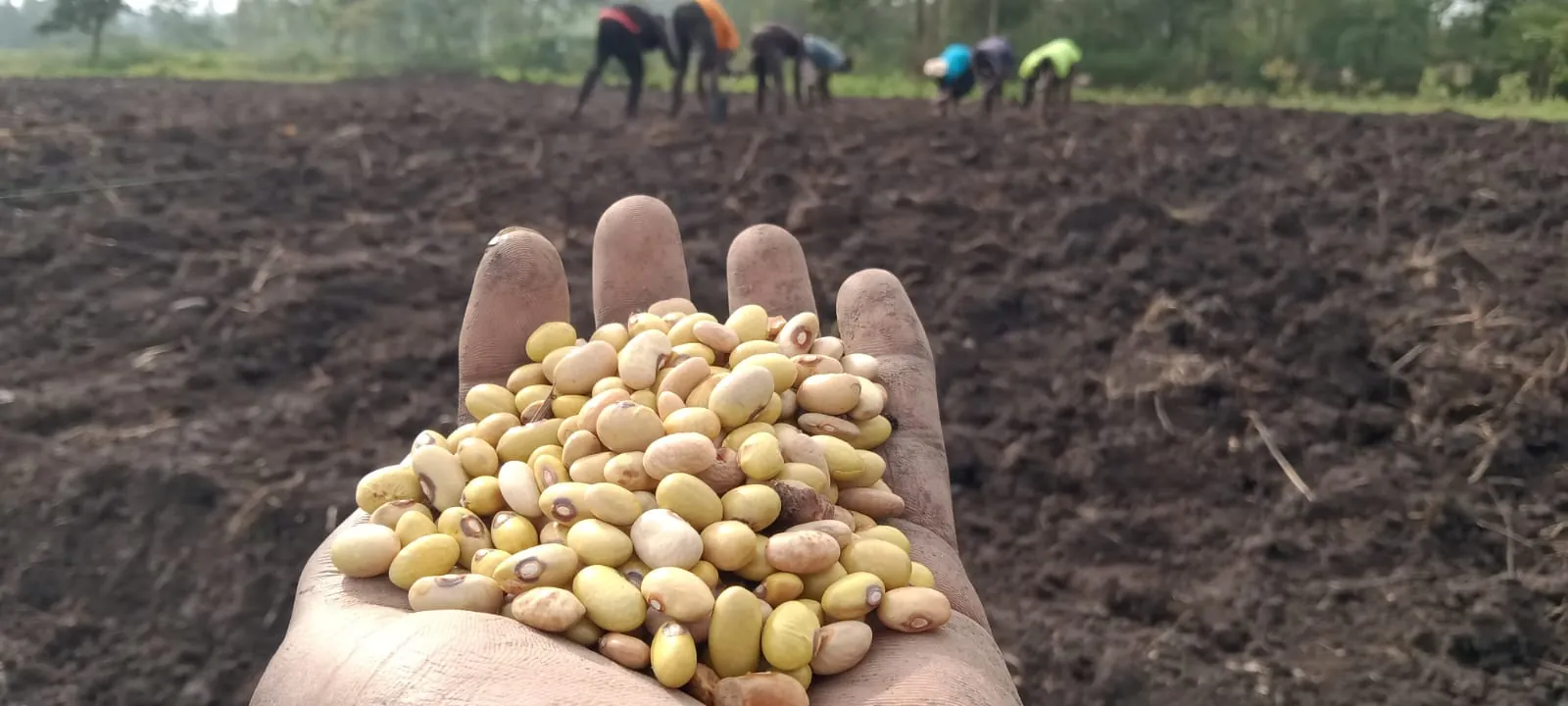
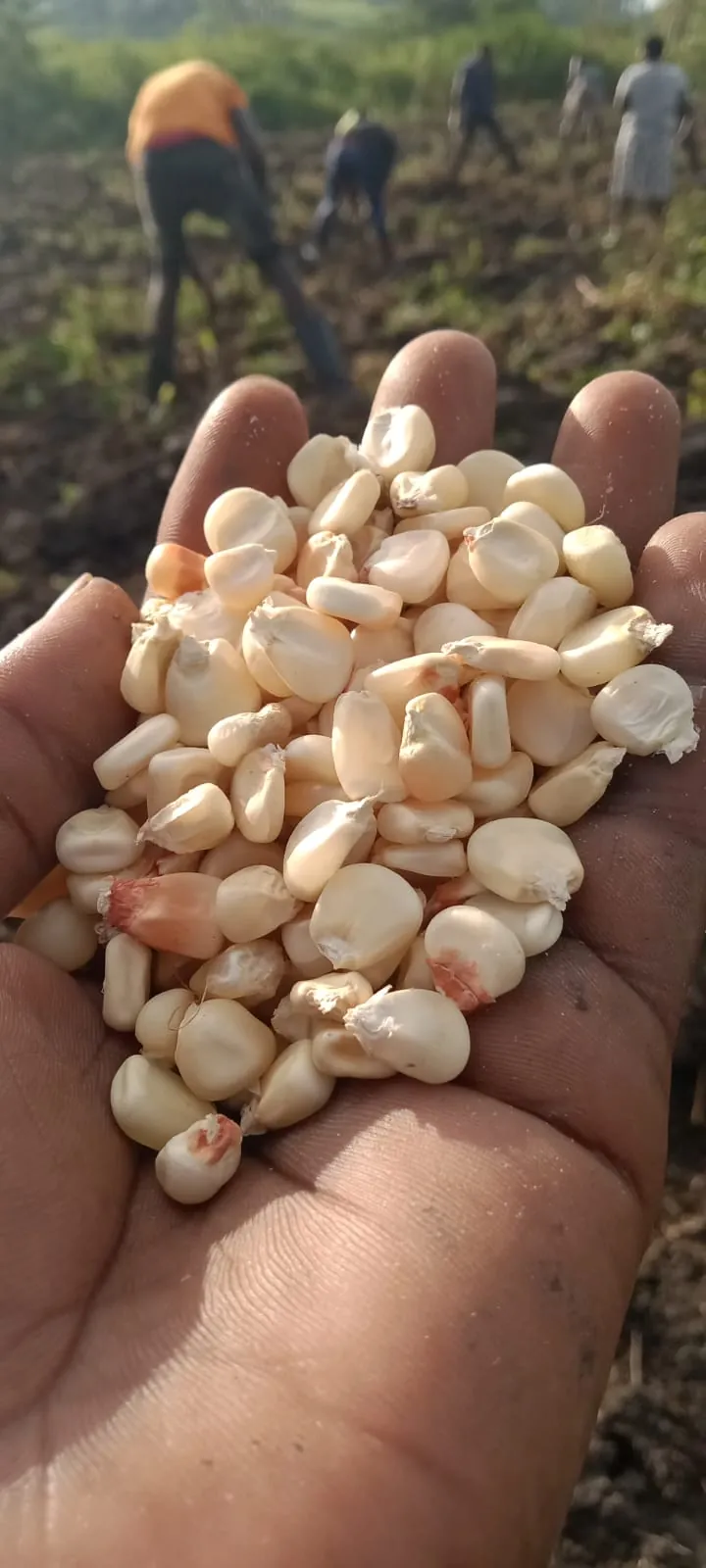
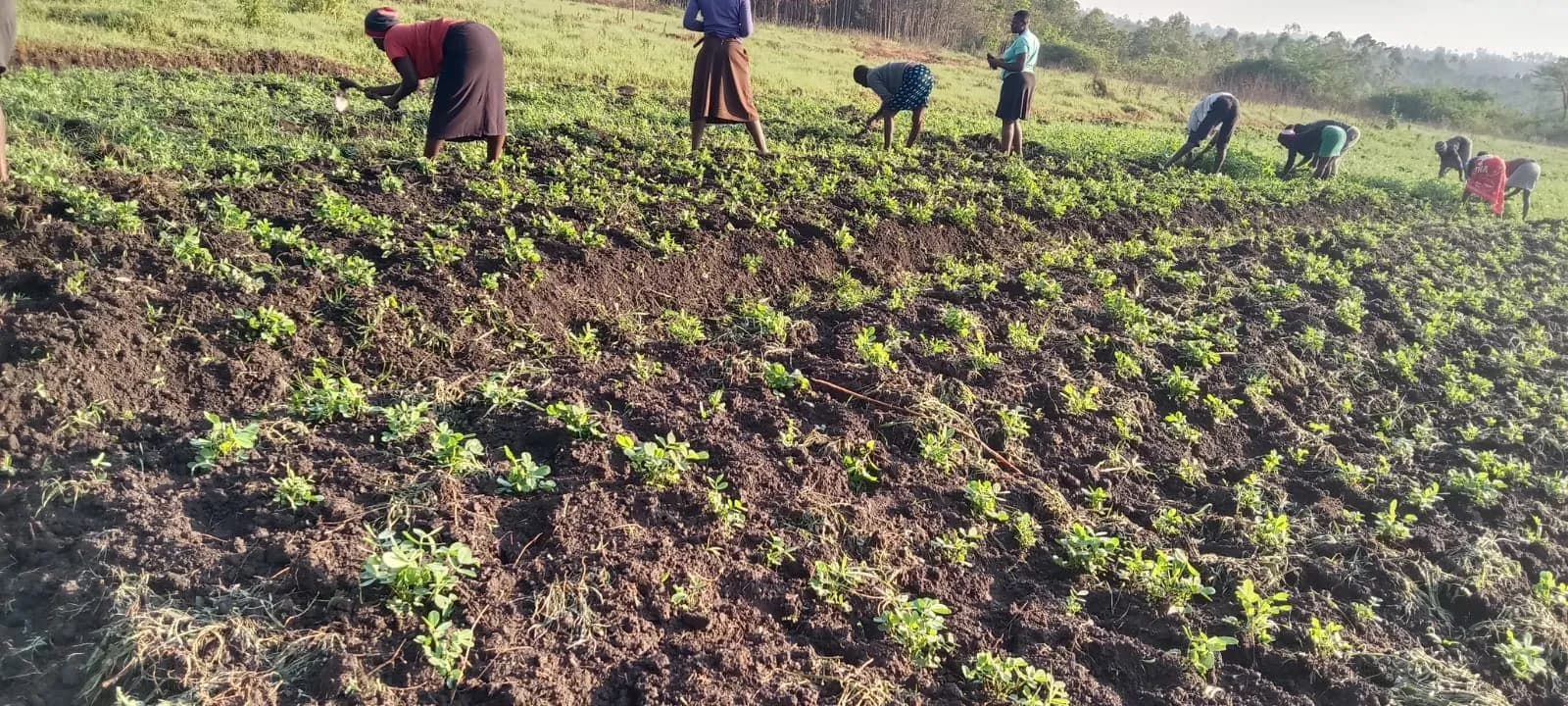
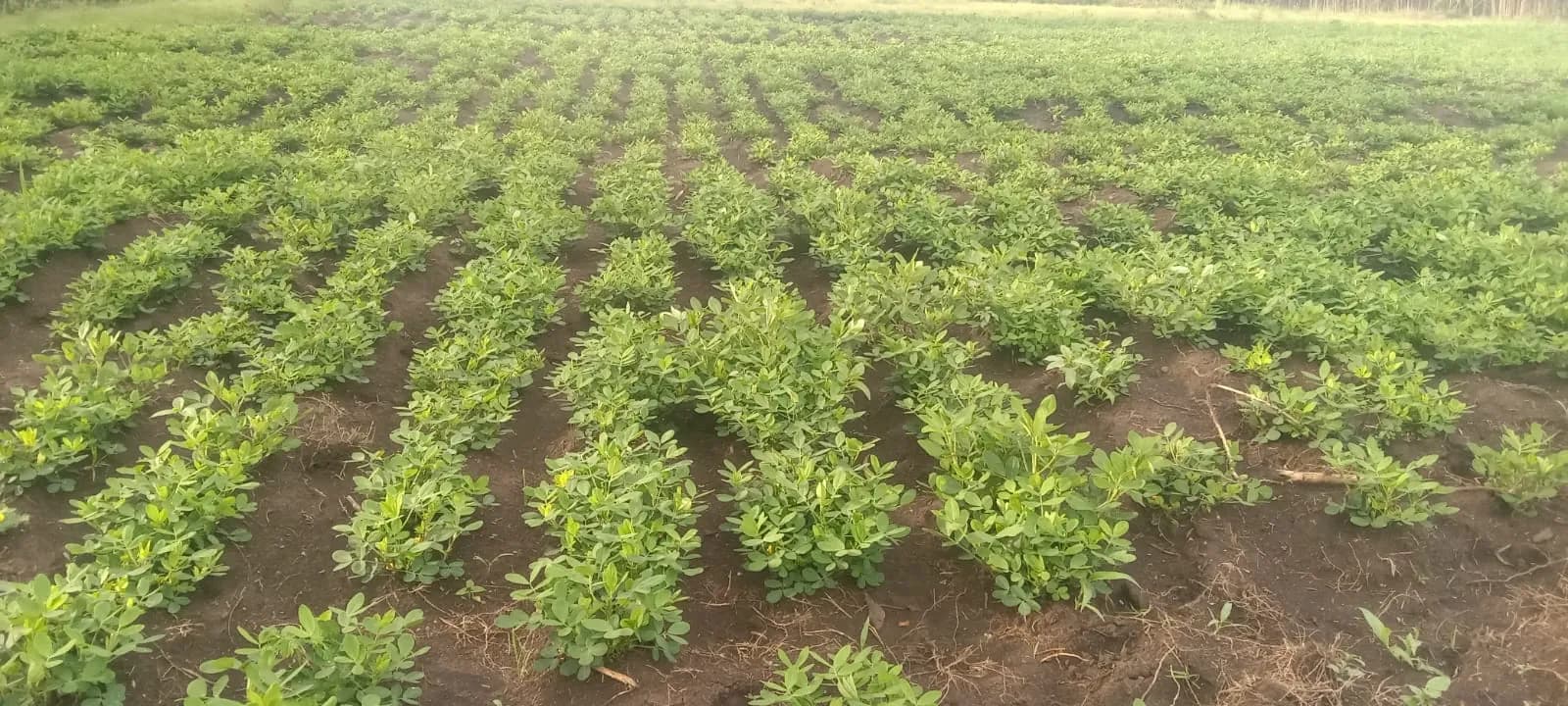
Photographed on site.
Captions describe the frame only. No outcome is claimed by any image here.
13 more frames in the field archive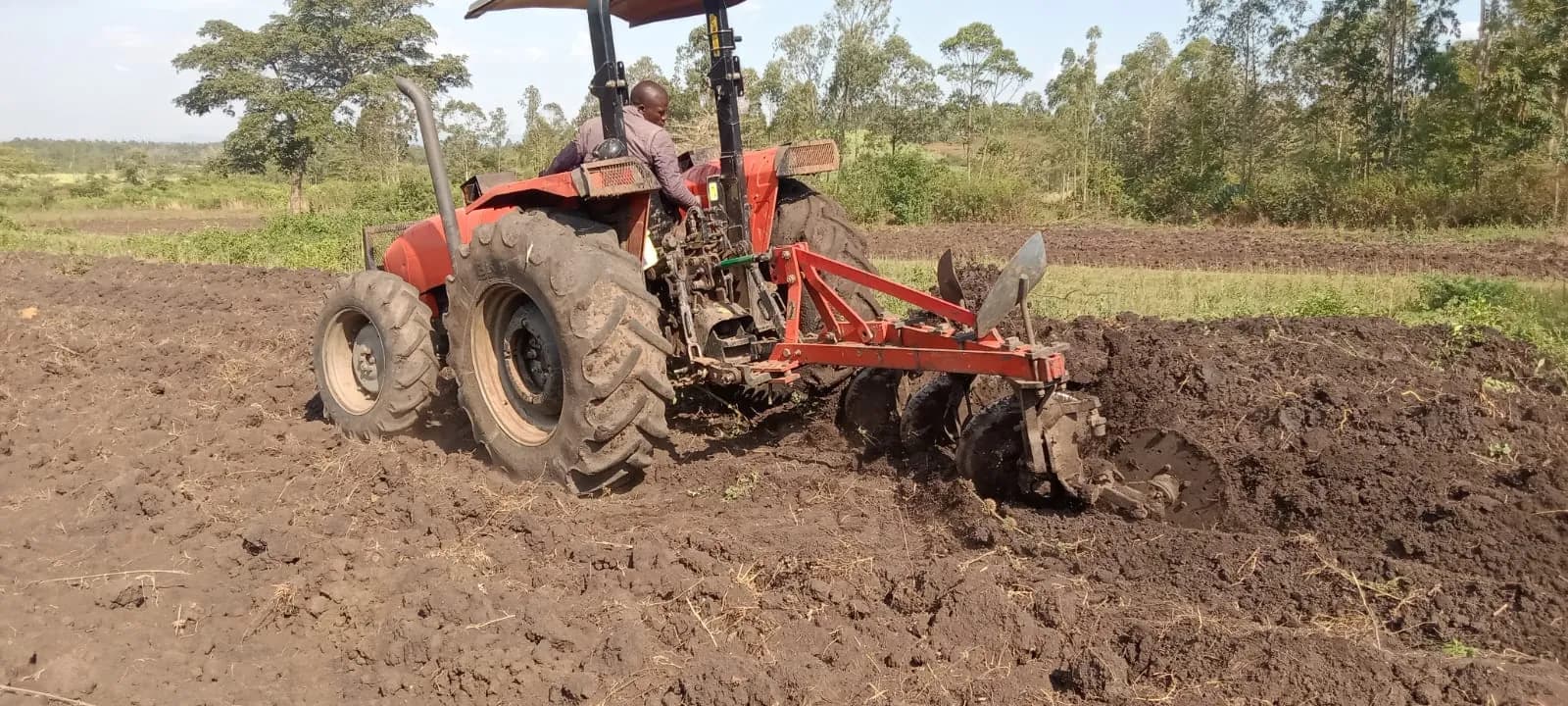
Ways to work with YOCED on this field.
- 01Value chain partnershipWork with YOCED on a specific crop from production through processing to market.
- 02Mechanisation accessSupport access to equipment for producers who cannot reach it individually.
- 03Offtake and marketProvide a route to market for produce or processed goods.
- 04Technical partnershipBring agronomy, post-harvest or food safety expertise into the work.
Sustainable Development Goals.
Only the goals this field genuinely works on are listed.
- 1No Poverty
- 2Zero Hunger
- 8Decent Work and Economic Growth
- 12Responsible Consumption and Production
This page is built to travel on its own.
https://yoced.com/programs/agriculture-food-systems — share it with a colleague, a funder or a specialist partner without them having to understand the rest of YOCED first.