Creatives
Creative work in Kenya is rarely short of talent and almost always short of structure. This field treats the sector as an economy: the business around the practice, the heritage it comes from, the stage it happens on, the ticket that pays for it, and the ownership that decides who keeps the value afterwards.
The creative sector treated as an industry — with a business, a contract and a gate receipt behind it.
Creators · Venues · Industry bodies · Funders · Youth
Enterprise & Capital
SDG 8 · SDG 10 · SDG 11
What this field is actually up against.
A working creative career is assembled from things nobody teaches: how a gig is priced, who fronts the venue deposit, who owns the recording, what a ticketing split looks like, and what happens when a promoter does not pay.
The gap is not artistic. Performers, film-makers, designers and makers regularly produce work of export standard and still cannot show a contract, a rights registration or a set of accounts — which is exactly what a funder, a distributor or a bank asks for first.
Cultural practice is also economically fragile in a specific way: when a craft is held by a handful of ageing practitioners, the loss of that knowledge is permanent, and no amount of later funding recovers it.
How YOCED works here.
YOCED works on the commercial machinery around creative practice rather than on the practice itself. The artist keeps the art. The organisation works on the structure it has to survive inside.
That runs across the whole chain — from documenting heritage practice, through rehearsal, staging, venue and ticketing, to the ownership position the work ends up in.
Ownership is the point the rest turns on, which is why Intellectual Property is a field in its own right and is treated here as inseparable from the work rather than as paperwork at the end of it.
What happens in practice.
- 01Heritage documentationRecording traditional practice and the people who hold it, in a form that can be published and cited.
- 02Business structuringTurning a creative practice into a registered, contracted, accountable business.
- 03Live productionStaging, venue relationships, technical provision and the operational side of putting on a night.
- 04Ticketing and settlementTicketed events run so that the money is counted, split and recorded.
- 05Rights and fair termsContracts, credit, payment terms and ownership — and somewhere to go when they are broken.
The specific areas within it.
- ·Creative economyThe sector as an economy rather than a hobby — where money enters, where it leaks, and which of those a young practitioner can actually influence.
- ·Creative businessRegistration, pricing, contracts, invoicing and accounts. The unglamorous layer that turns a practice into something a bank or a distributor can deal with.
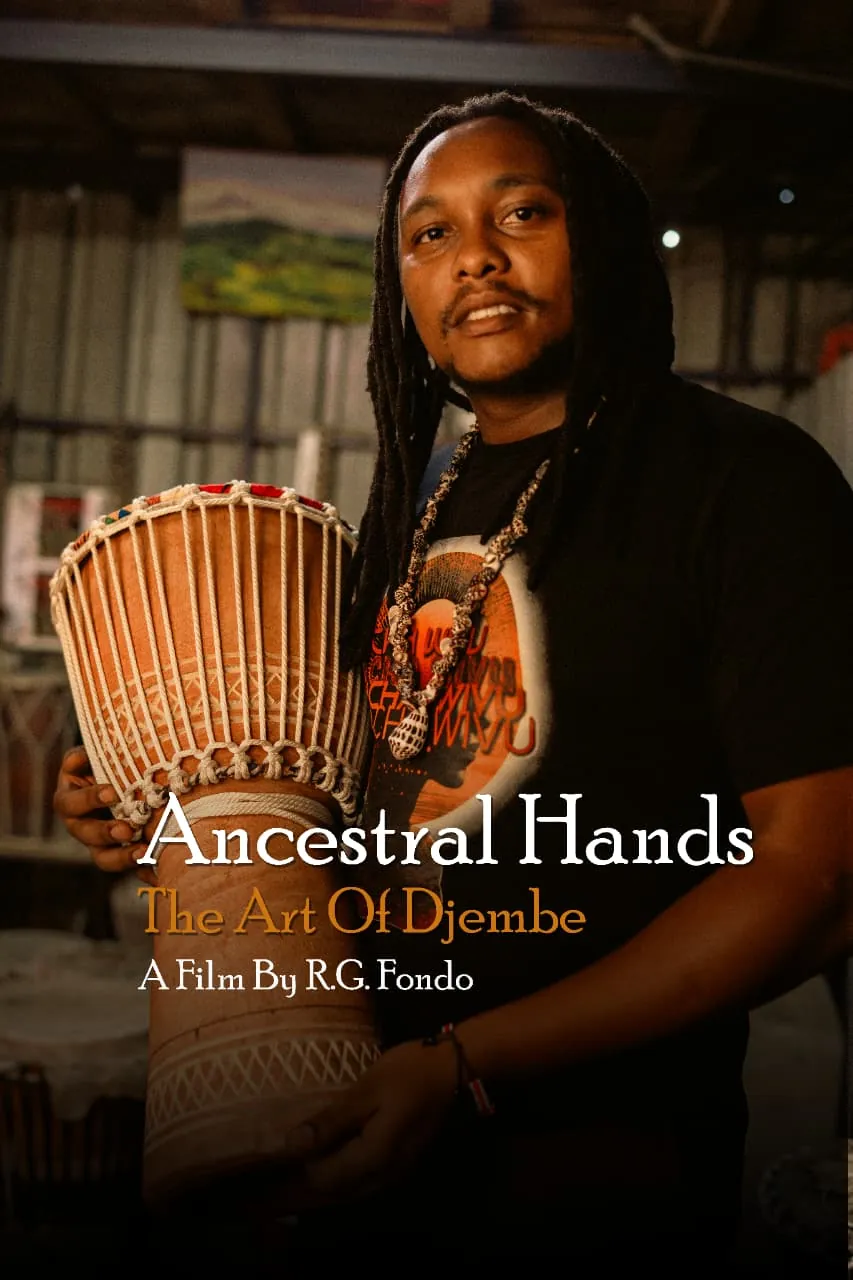
- ·Cultural heritageDocumenting and sustaining traditional practice — instrument making, craft and performance — so that the knowledge is recorded and the practitioners are paid while they still hold it.
- ·CoachingOne-to-one and cohort support for practitioners: career direction, negotiation, and the professional habits that keep opportunities from being lost after they arrive.
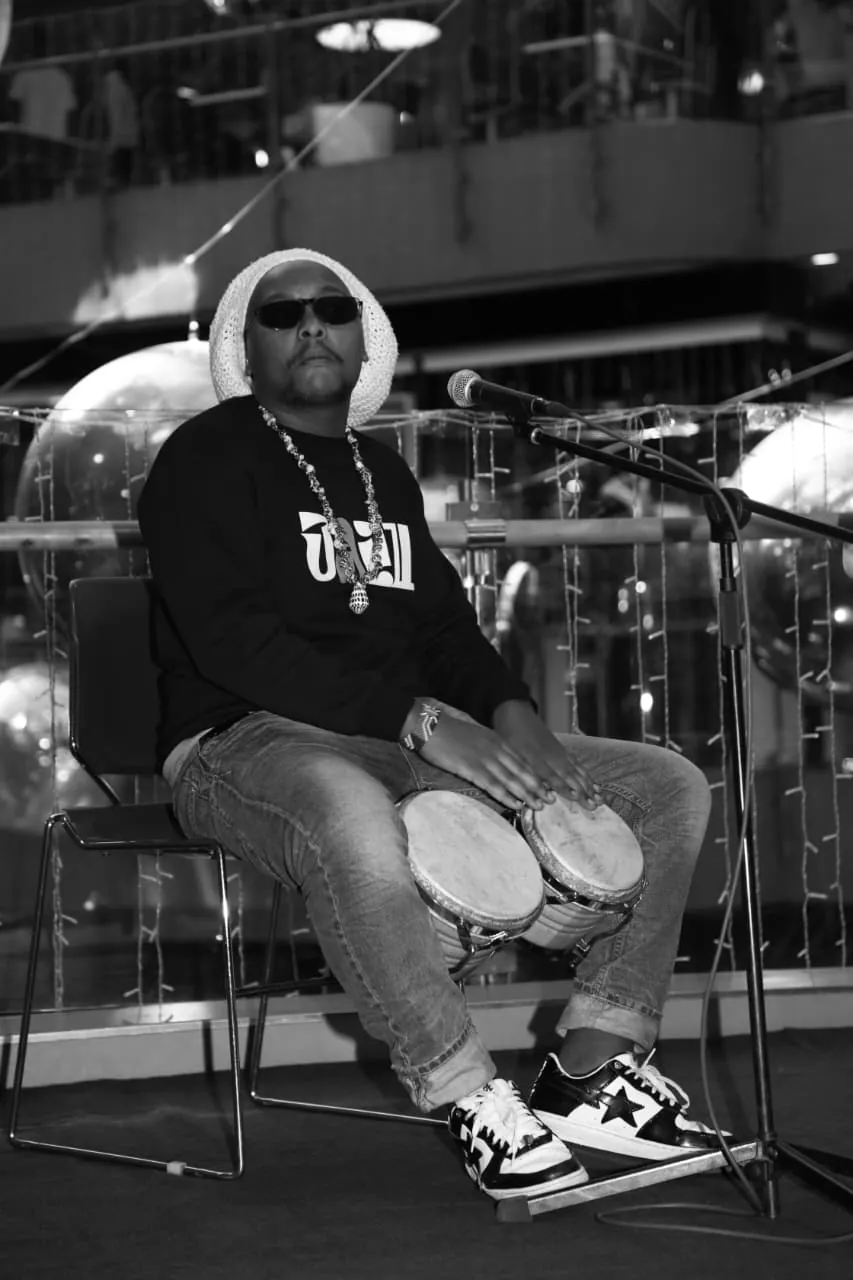
- ·Performing artsLive work — music, theatre, dance — including rehearsal, staging and the production discipline that lets a set be booked twice.
- ·TicketingTicketed events handled properly: pricing, sales, door control and settlement, so an audience turns into a documented revenue line.
- ·Events fundingGetting events financed — sponsorship, advance sales, cost control and the budget that a partner can be shown before the event rather than after it.
- ·Venue booking and partnershipsRelationships with venues and hosts, and the terms behind them: dates, splits, technical provision and who carries which risk.
- ·Intellectual propertyOwnership of the work — registration, licensing and the contracts that decide who holds it. Covered in depth in the Intellectual Property field, and treated here as part of the work rather than as an afterthought.
How YOCED works
The full argument behind this field: the three instruments that formalise a practice, the employment multiplier that follows, and the case for exporting Kenyan intellectual property rather than importing a template.
Who this field reaches.
- Musicians, performers and live crews
- Film-makers, photographers and production teams
- Traditional makers and heritage practitioners
- Designers, makers and creative businesses
- Venues, promoters and event organisers
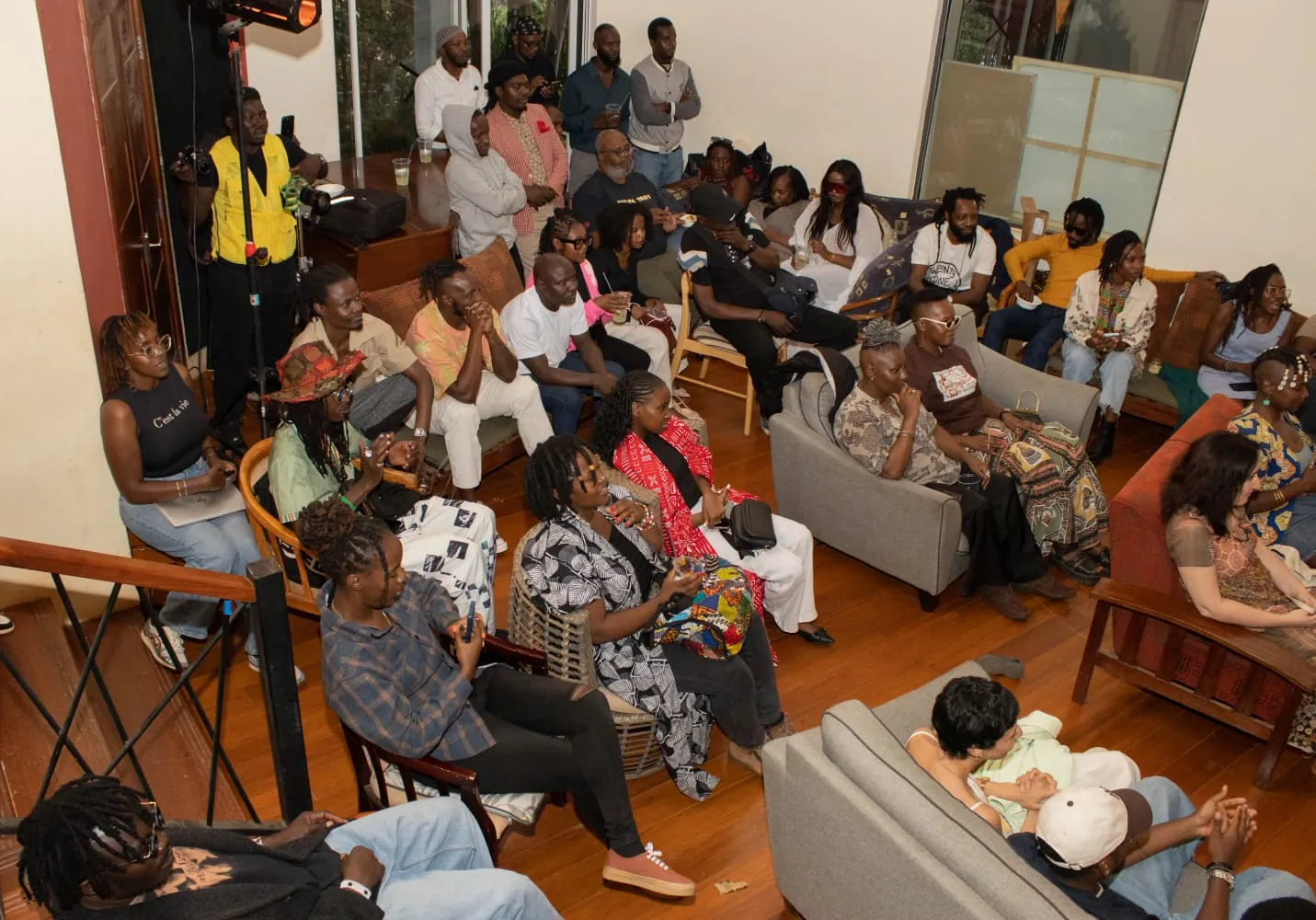
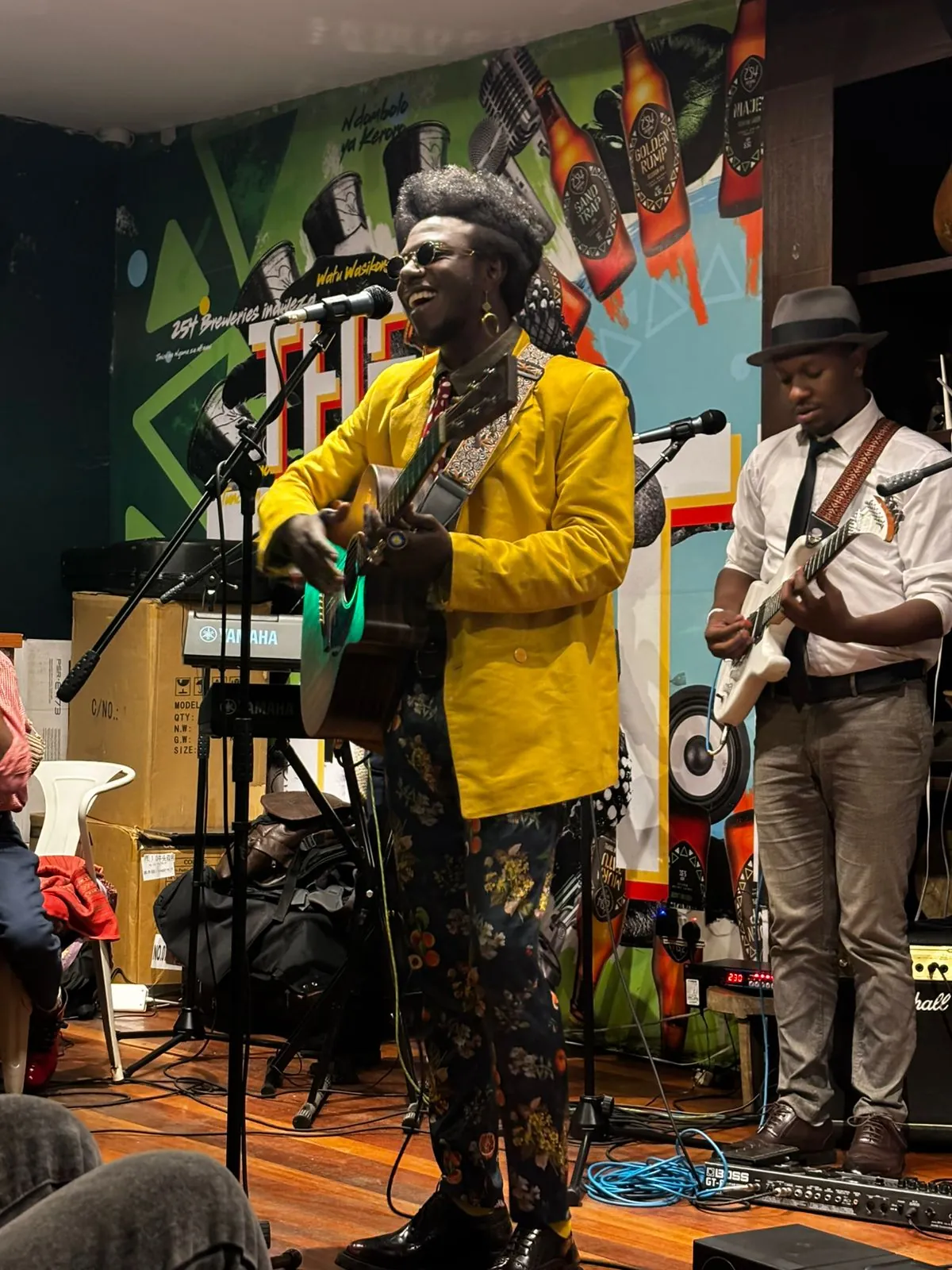
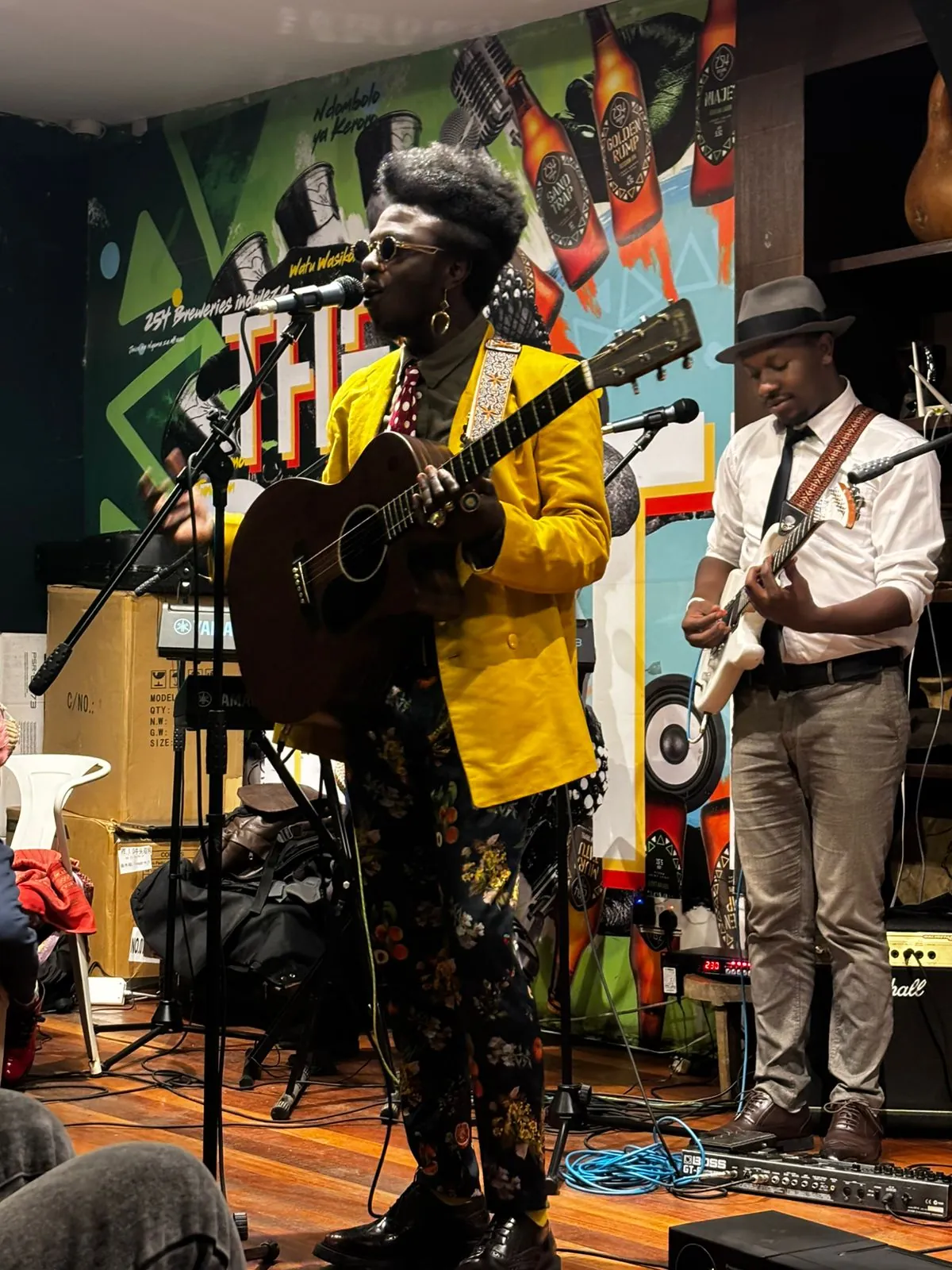
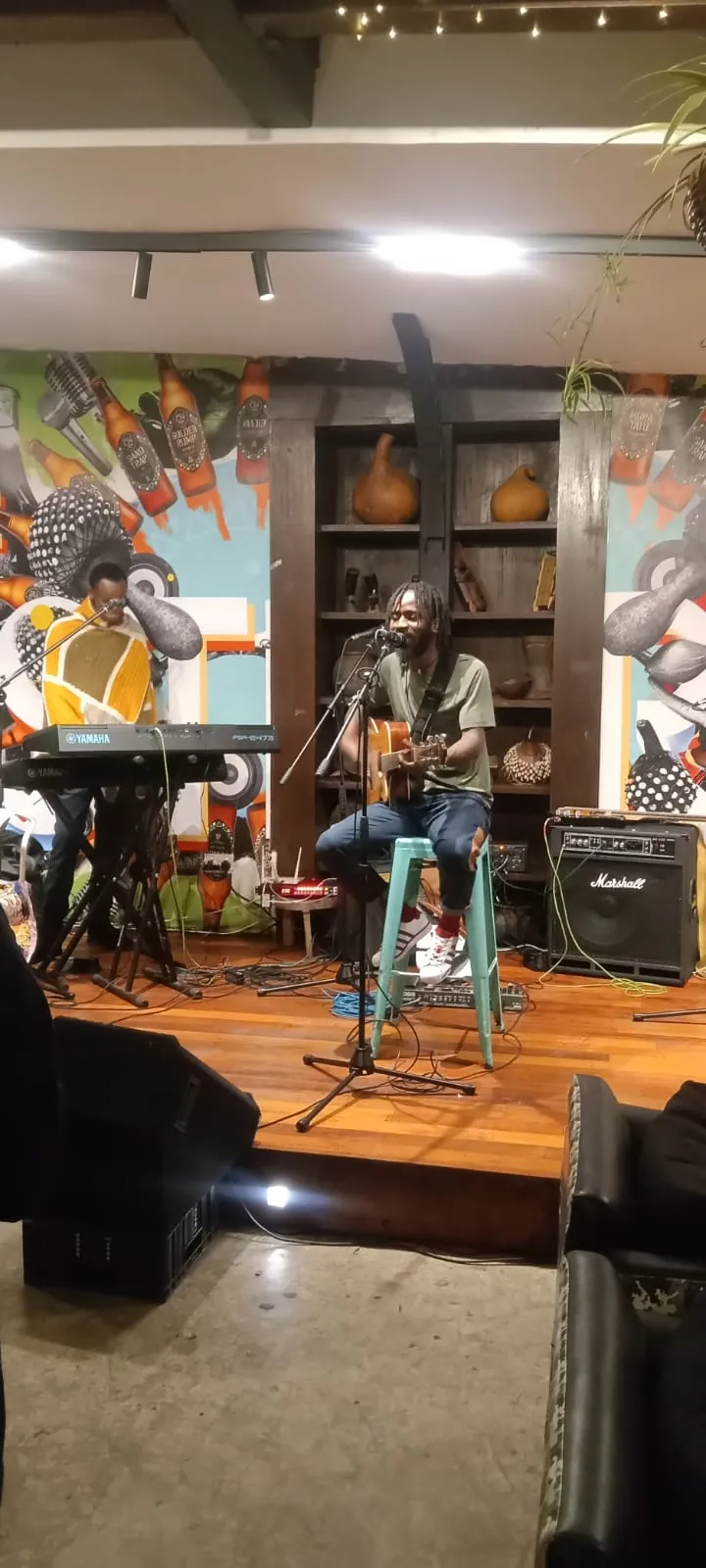
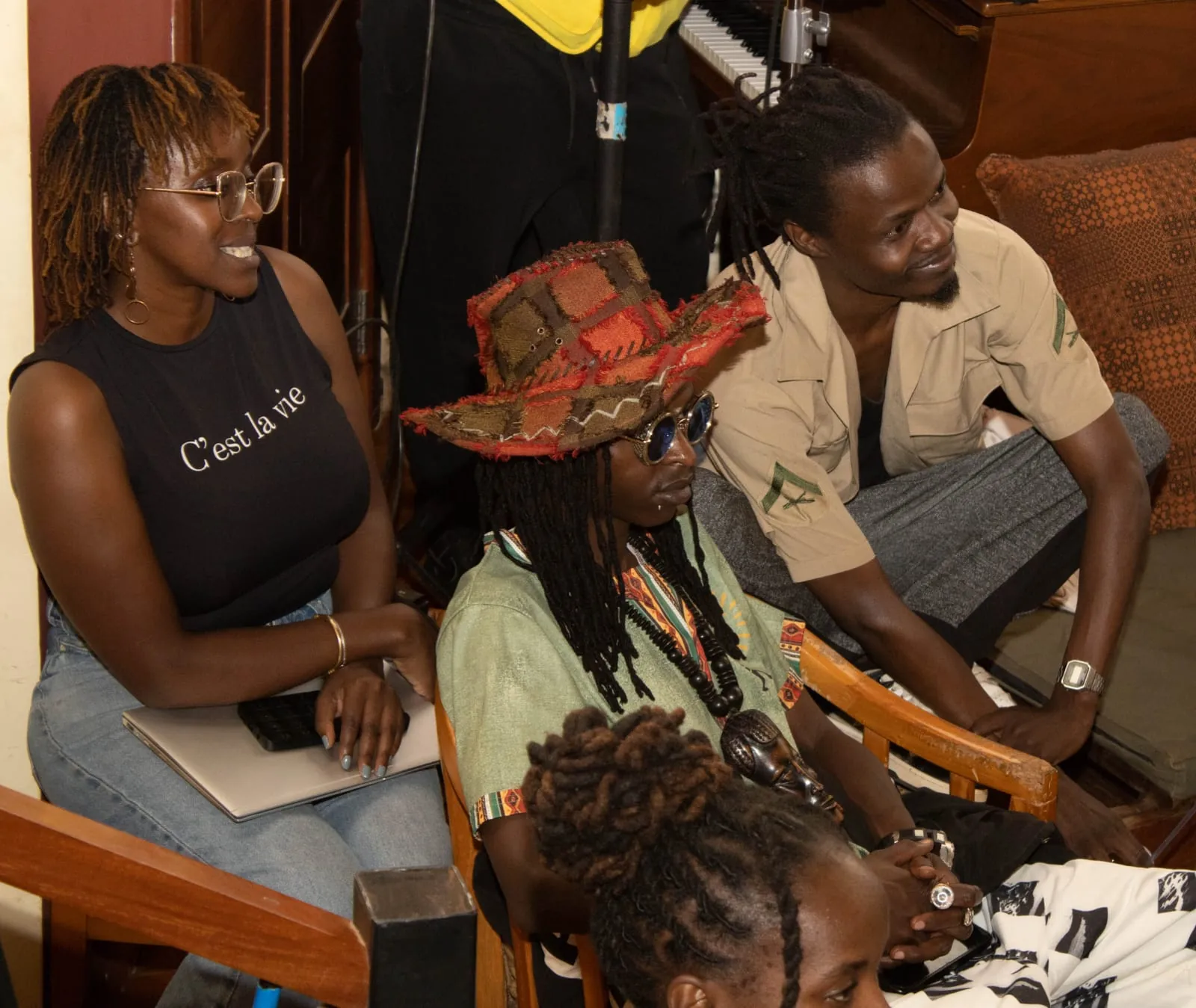
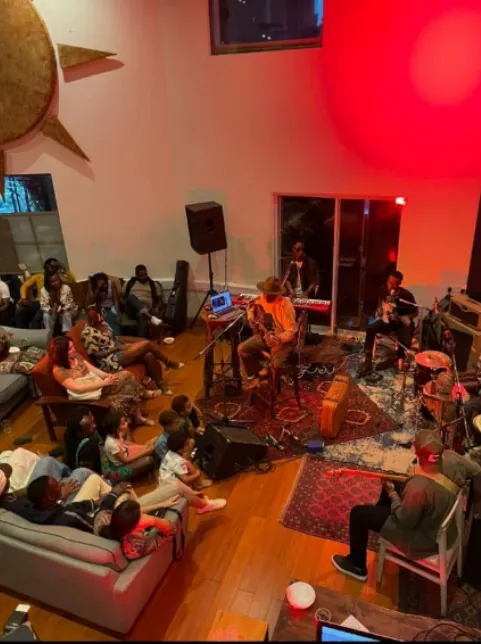
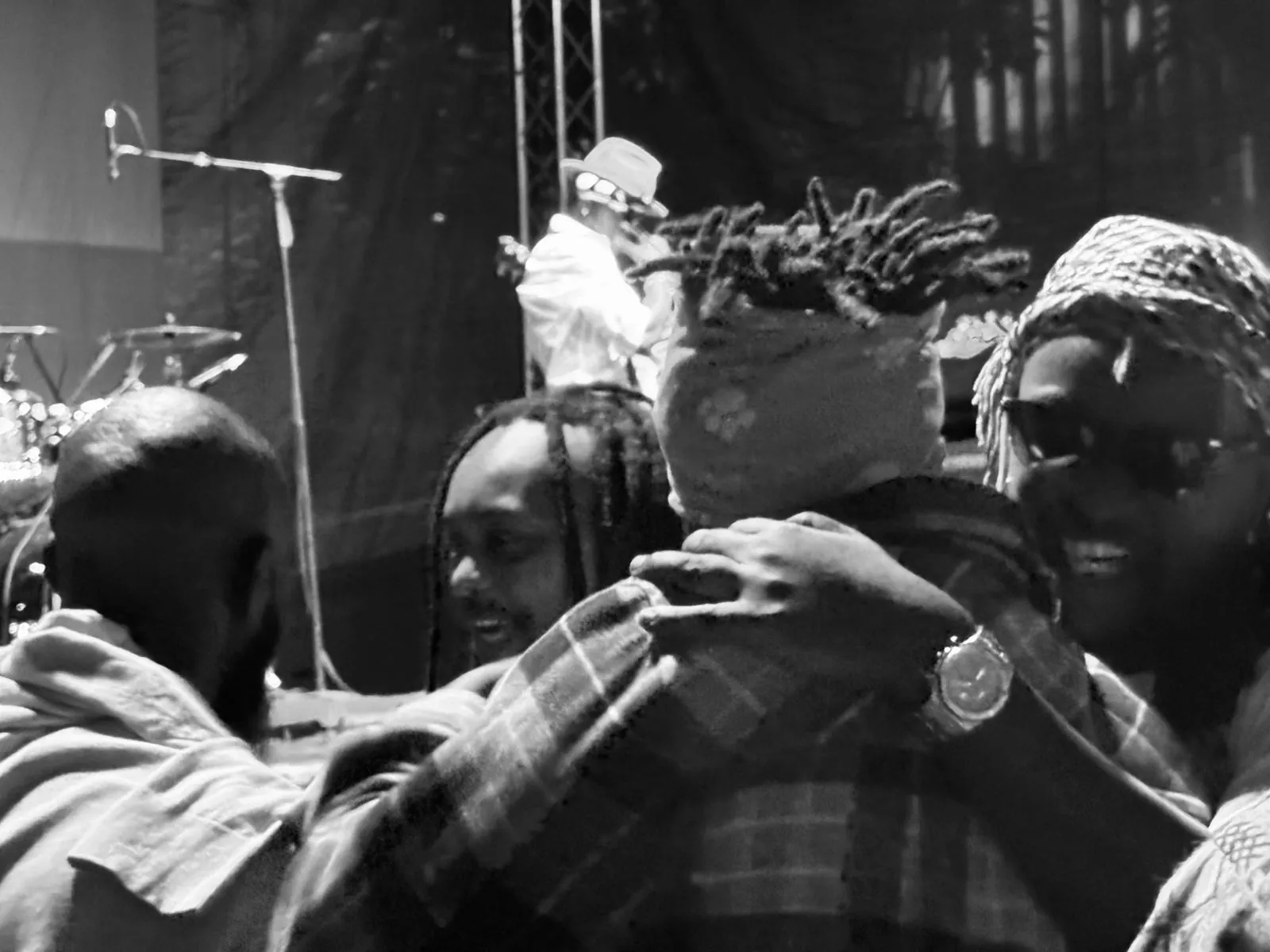
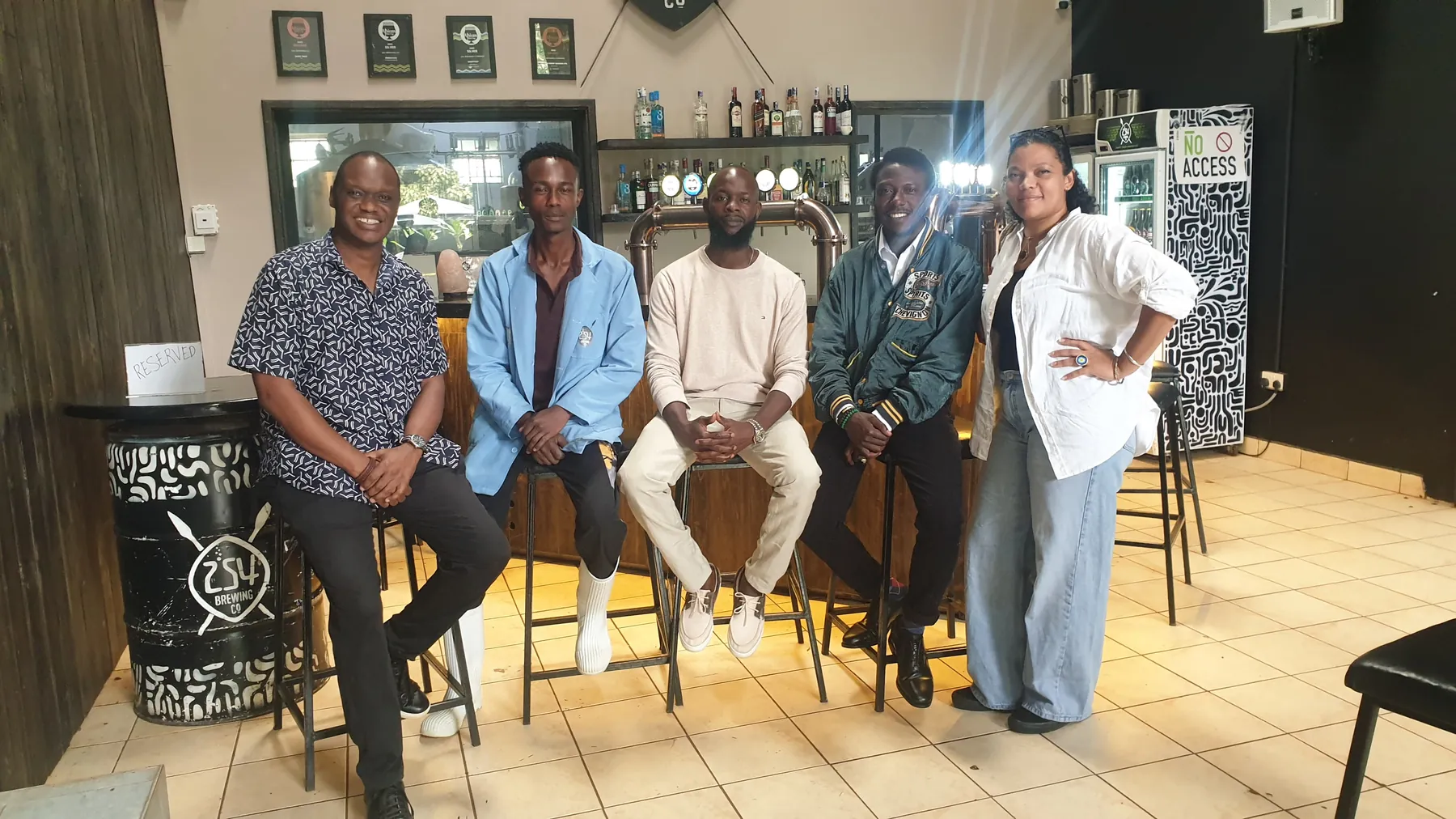
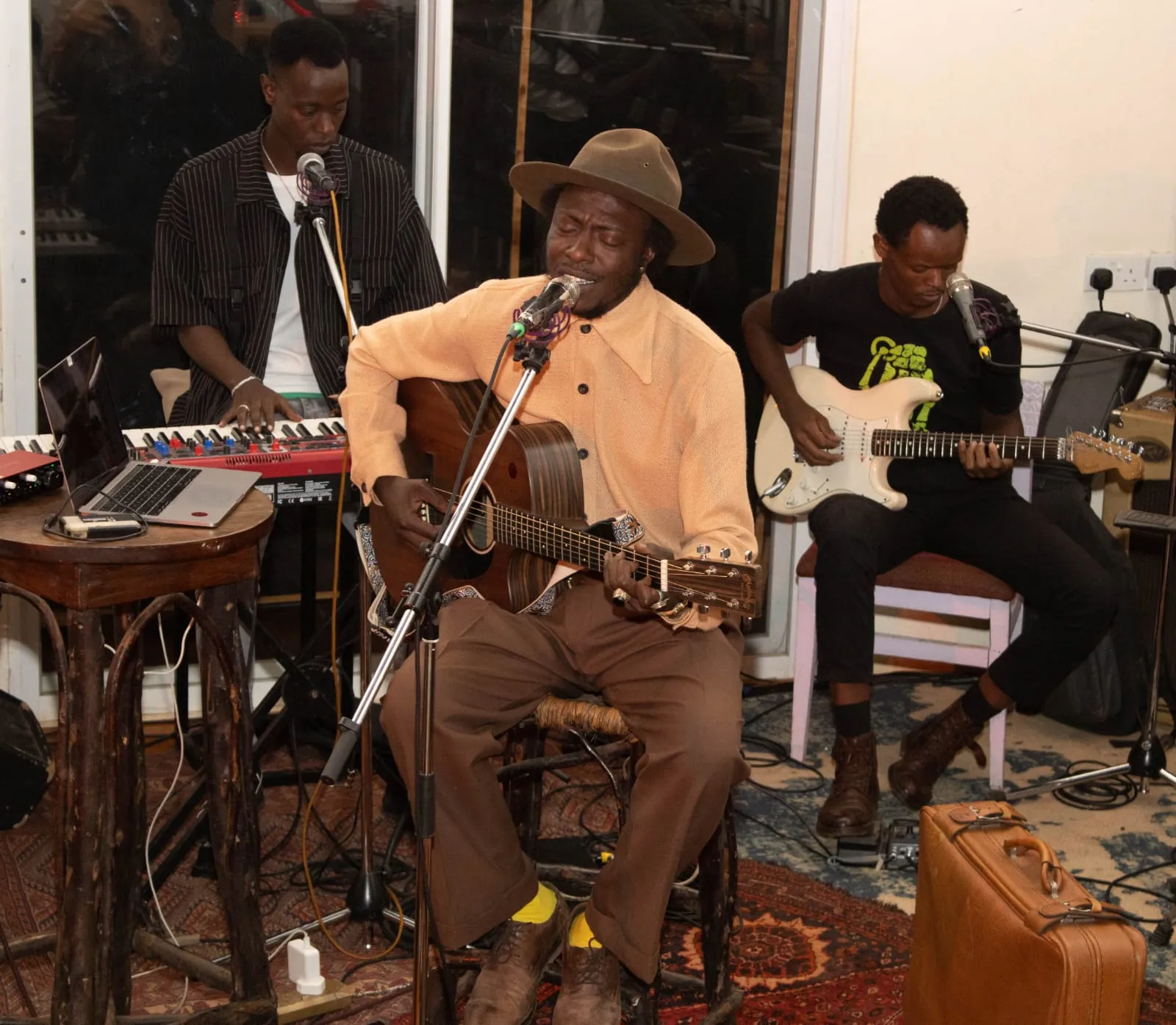
Photographed on site.
Captions describe the frame only. No outcome is claimed by any image here.
3 more frames in the field archive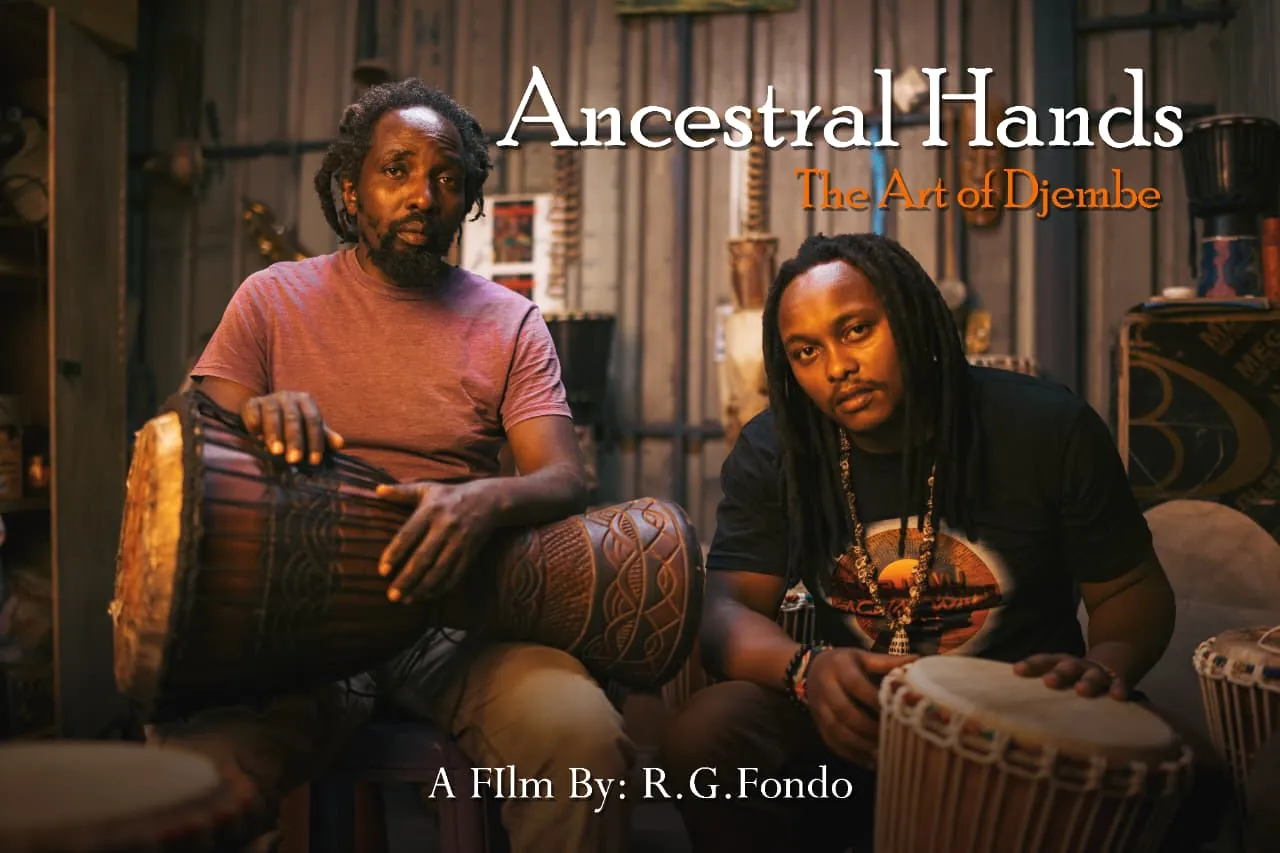

Ways to work with YOCED on this field.
- 01Venue and platform partnershipProvide a stage, a date or a room, and work with YOCED on the terms behind it.
- 02Event sponsorshipFund a production or a season against a stated budget, with settlement documented afterwards.
- 03Heritage documentationSupport the recording of a craft or practice, and the practitioners who hold it.
- 04Industry partnershipWork with YOCED on fair engagement standards inside a creative sector.
Sustainable Development Goals.
Only the goals this field genuinely works on are listed.
- 8Decent Work and Economic Growth
- 10Reduced Inequalities
- 11Sustainable Cities and Communities
This page is built to travel on its own.
https://yoced.com/programs/creatives — share it with a colleague, a funder or a specialist partner without them having to understand the rest of YOCED first.